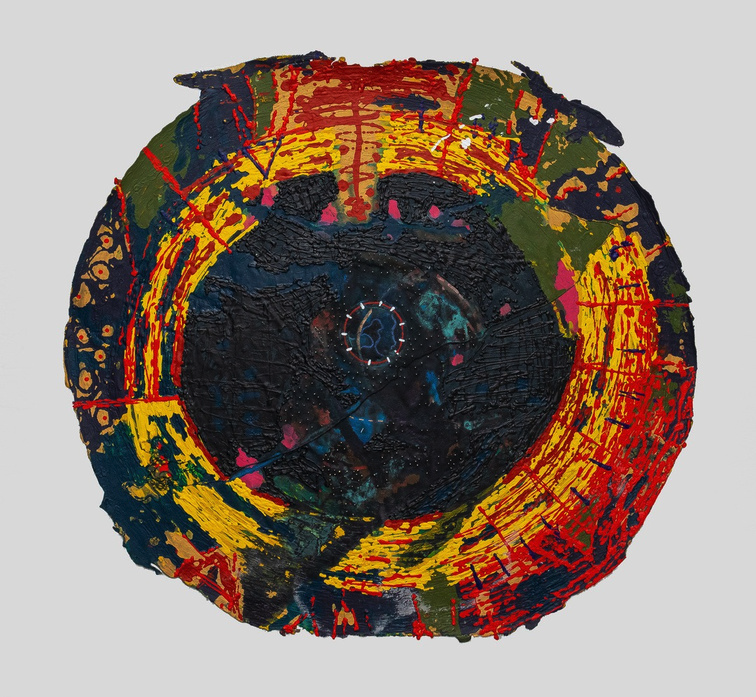
Iso lokhozi
Bekezela Mabena · 2025 · Painting on canvas · 65 × 190 cm
The certificate
A PDF of a signature does none of the third. It can be copied, edited, and emailed as if it were the original.
Bekezela Mabena · 2025 · Painting on canvas · 65 × 190 cm
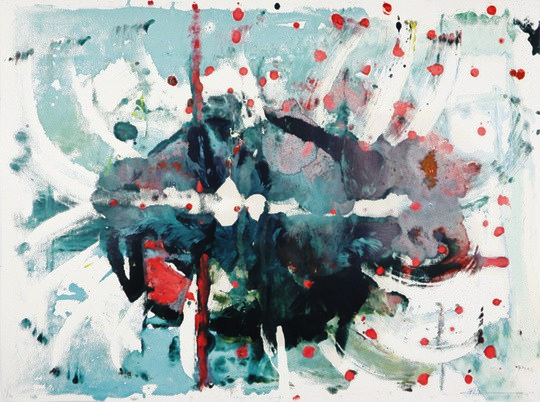
Bekezela Mabena · 2024 · Monotype · 77.5 × 106 cm
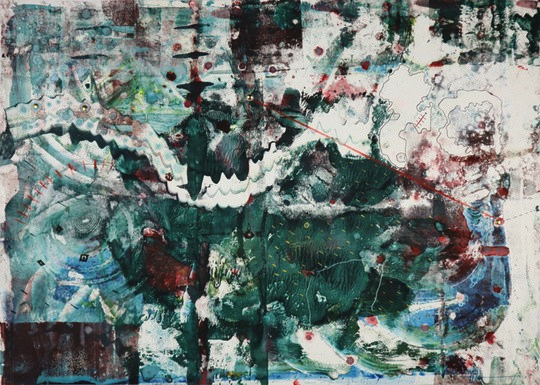
Bekezela Mabena · 2024 · Monotype · 77.5 × 106 cm
What belongs on it
A useful certificate is not a compliment. It is the set of facts that let someone, years on, tell this work from a copy.
Why a PDF is not enough
A scan does not show whether the signer was checked. It does not stay with the work. It does not record who held it, or when it was handed back.
Stemma keeps three things apart: who signed, what the record says, and what is in your hands. A tamper-evident tag links the physical work to the certificate. A copied tag alone is not enough, because the work itself is checked too.
What it is not
Signing does not move legal title. It is not an opinion about who painted the work. It records that a checked person signed this certificate, and that this object is the one the record names.
Artists and collectors still get paper certificates, or a scan of one. That scan is not a register. The same record can also hold a private collection file you give an insurer.
The artist signs. The collector checks. A gallery can hand the same record over.
First 100 artists onboard for free. No spam, one launch email. Or write to studio@stemma.art.